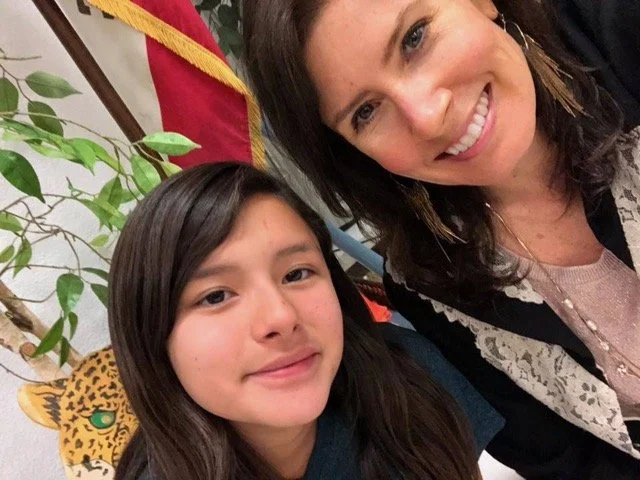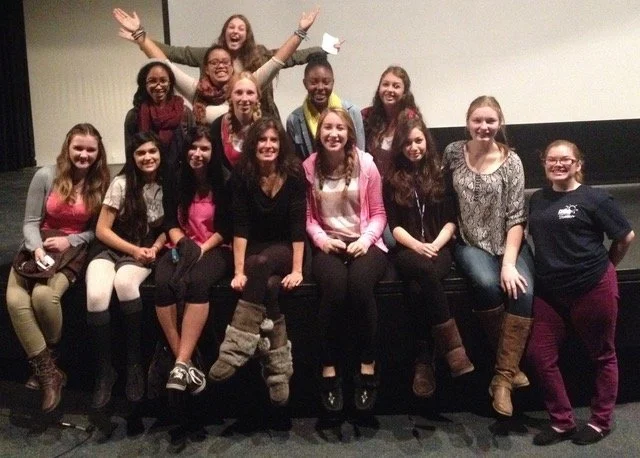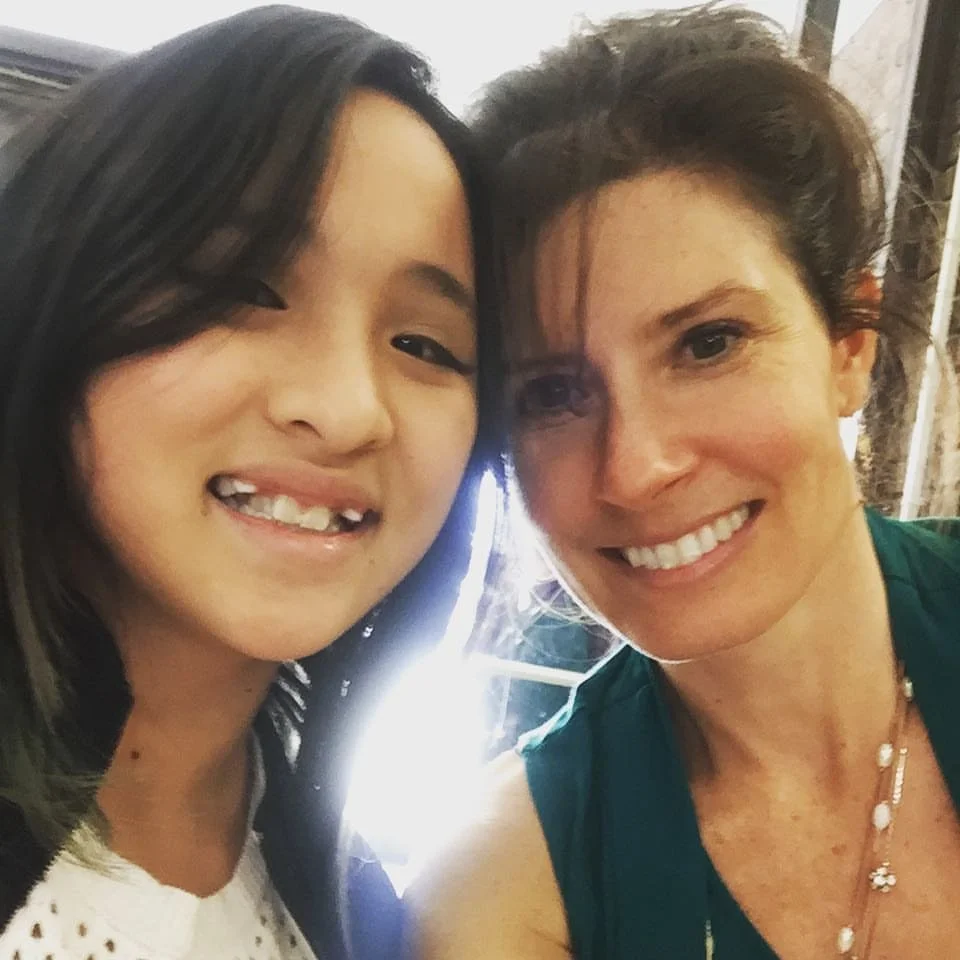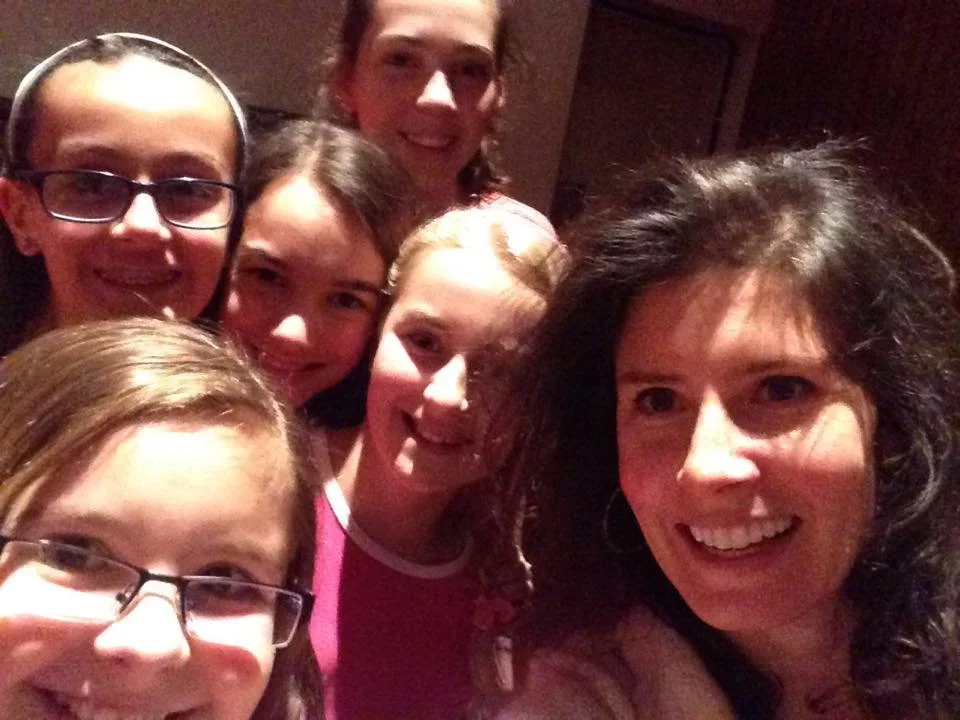
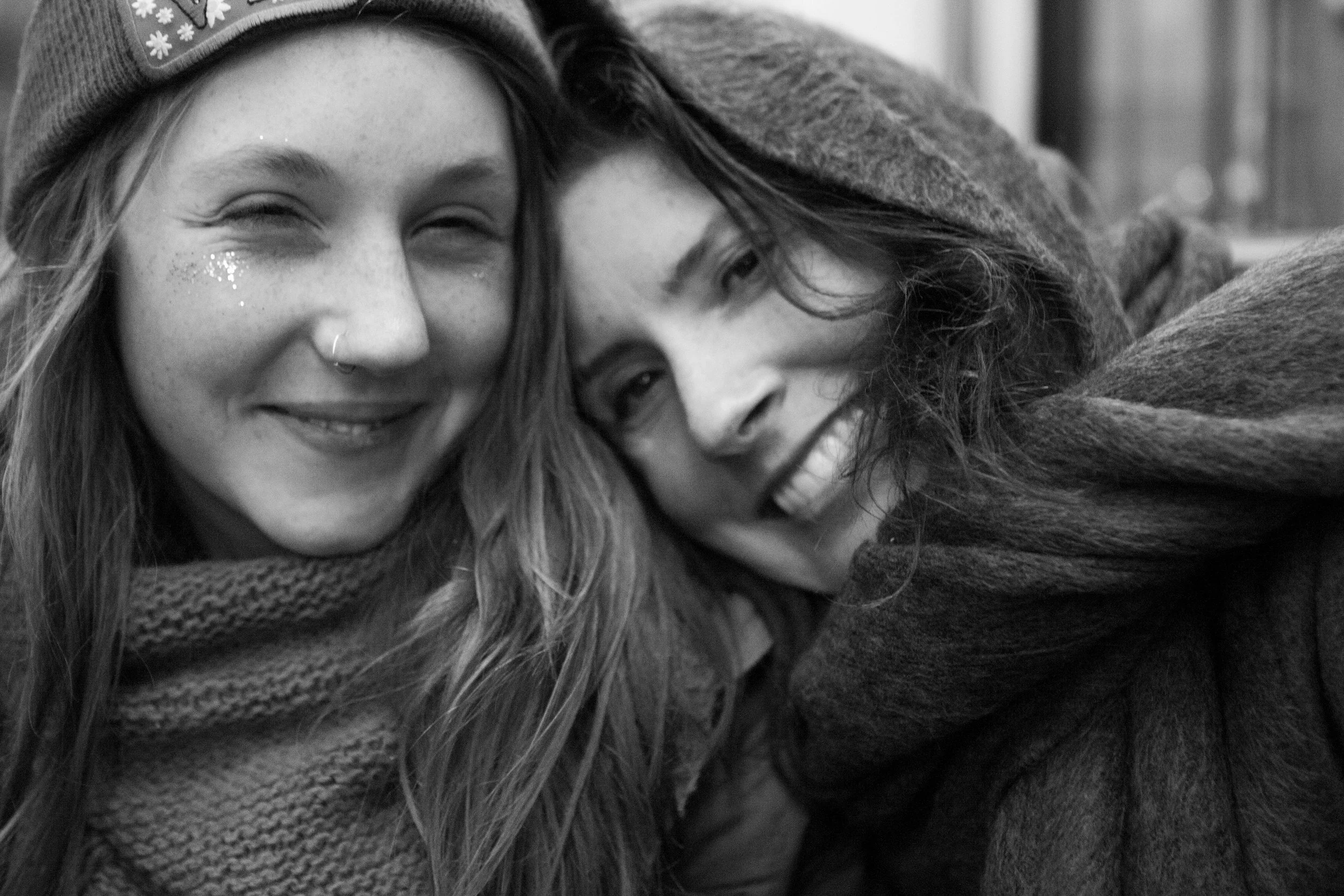
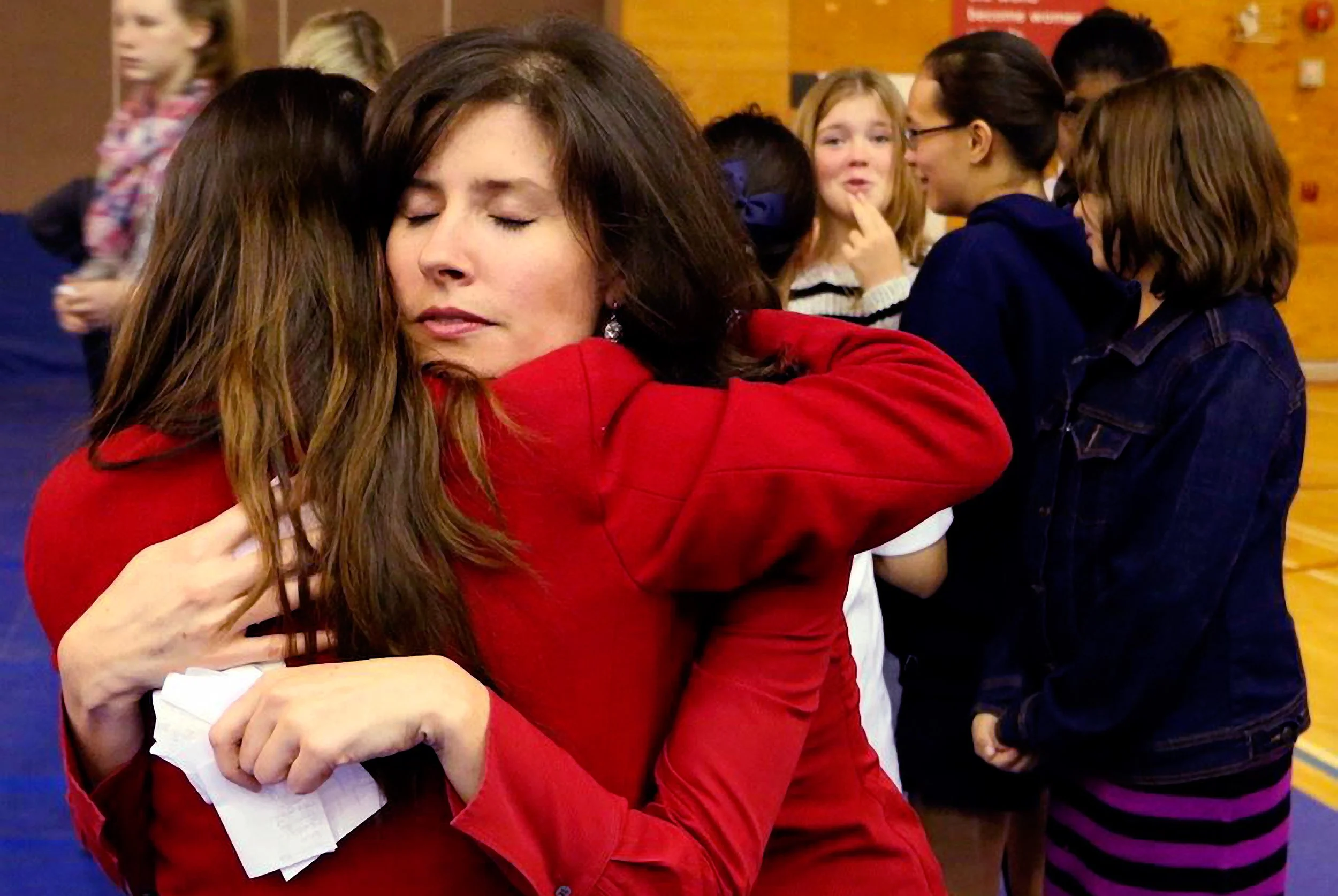
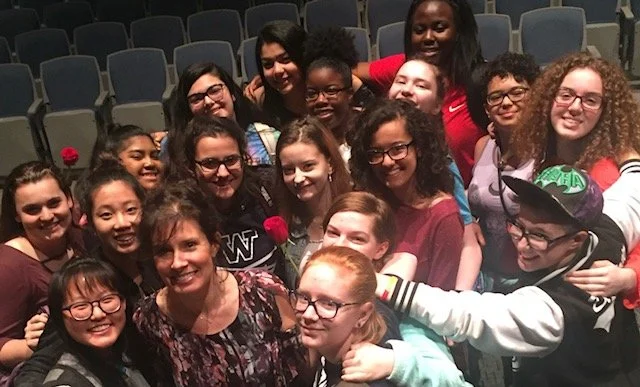
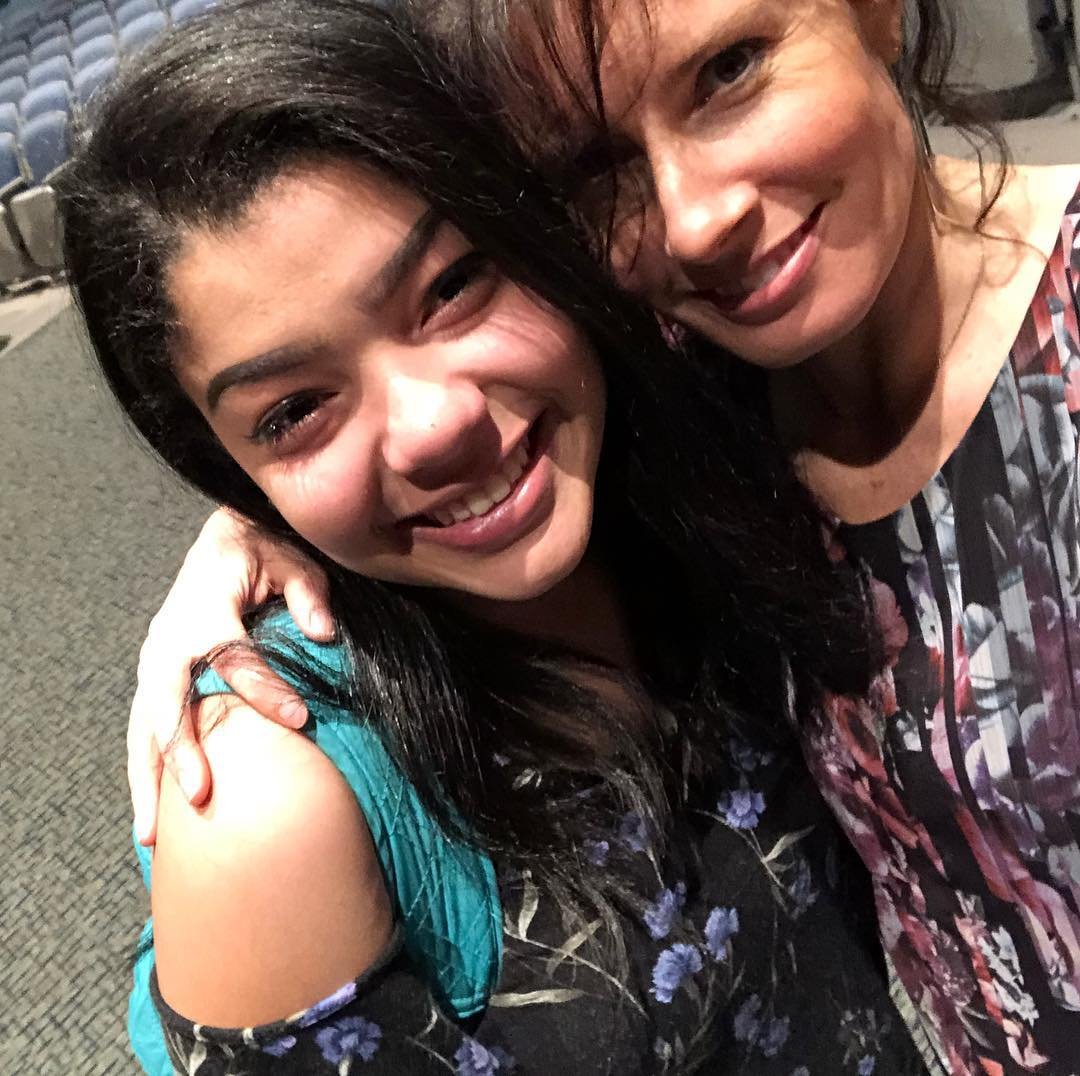
After hearing Love the Skin You’re In, girls are often cracked open; something subterranean begins to shift within them, calling them to transform. Harmful patterns are seen for what they are: outdated, culturally inherited, and propagated by Instagram and Tik Tok. The bright light of recognizing love as a birthright rises up, ready to be known and reclaimed. Shadows long tucked away feel the light on their skin and can no longer hide. We have spent two decades in the field with young women holding them in their tender places and helping them reach for their light as they make the transition into telling the truth about their bodies, their demons, and their dreams.
When Facebook was at its zenith, I would often have fifteen chat boxes blowing up at night following a school assembly. Now girls reach out over Instagram. Most young women are just seeking a little support with a specific issue. Some are facing dragons. No one goes unanswered. Via online message, voice, and in-person mentorship, teens from a wide demographic who want to continue the conversation are received and celebrated. Read on to take in some of the stories of what happens behind the scenes after Love the Skin You’re In makes its love splash.
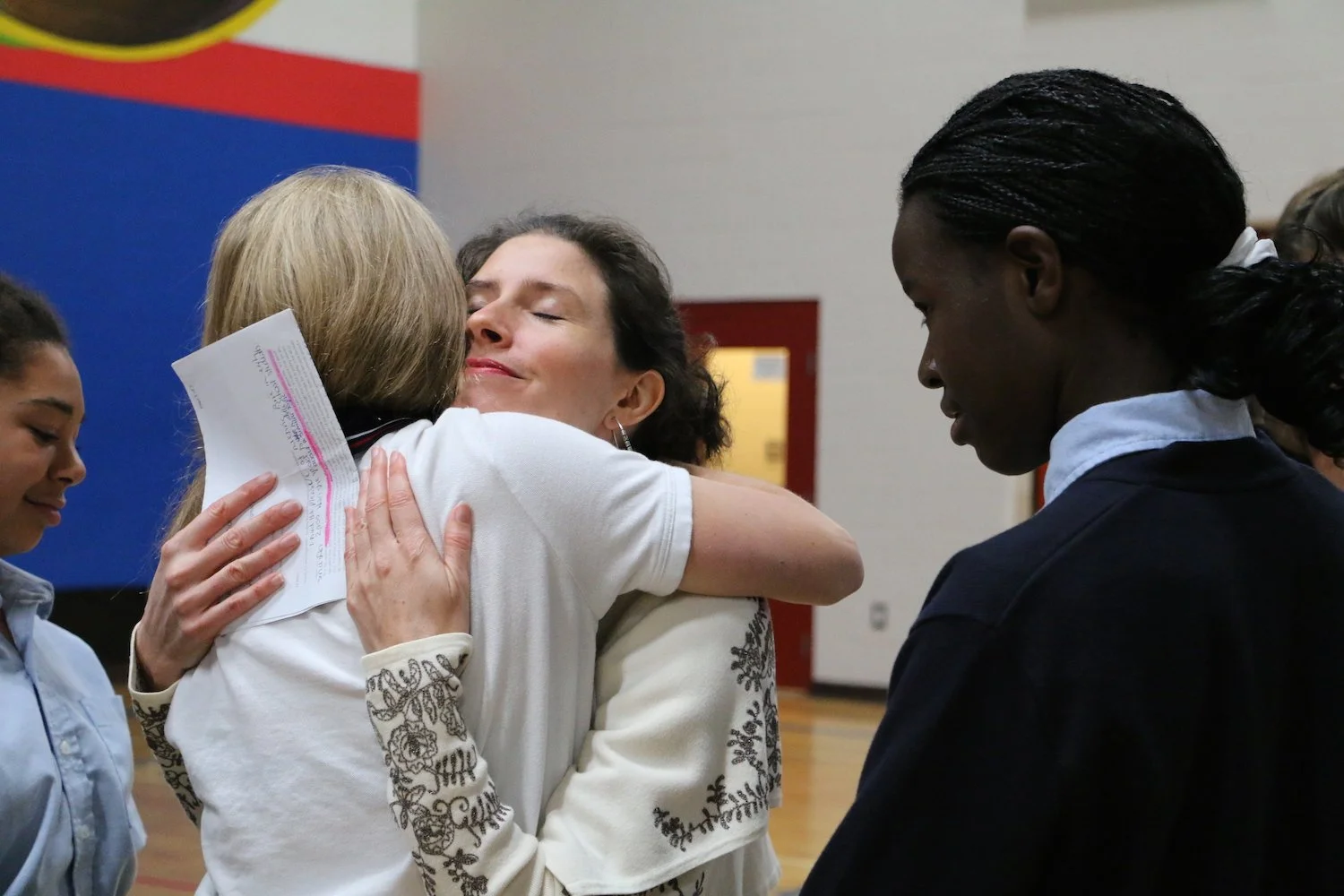
Waabska Biizhiiki Kwe
Trigger warning. the following story contains references to sexual violence.
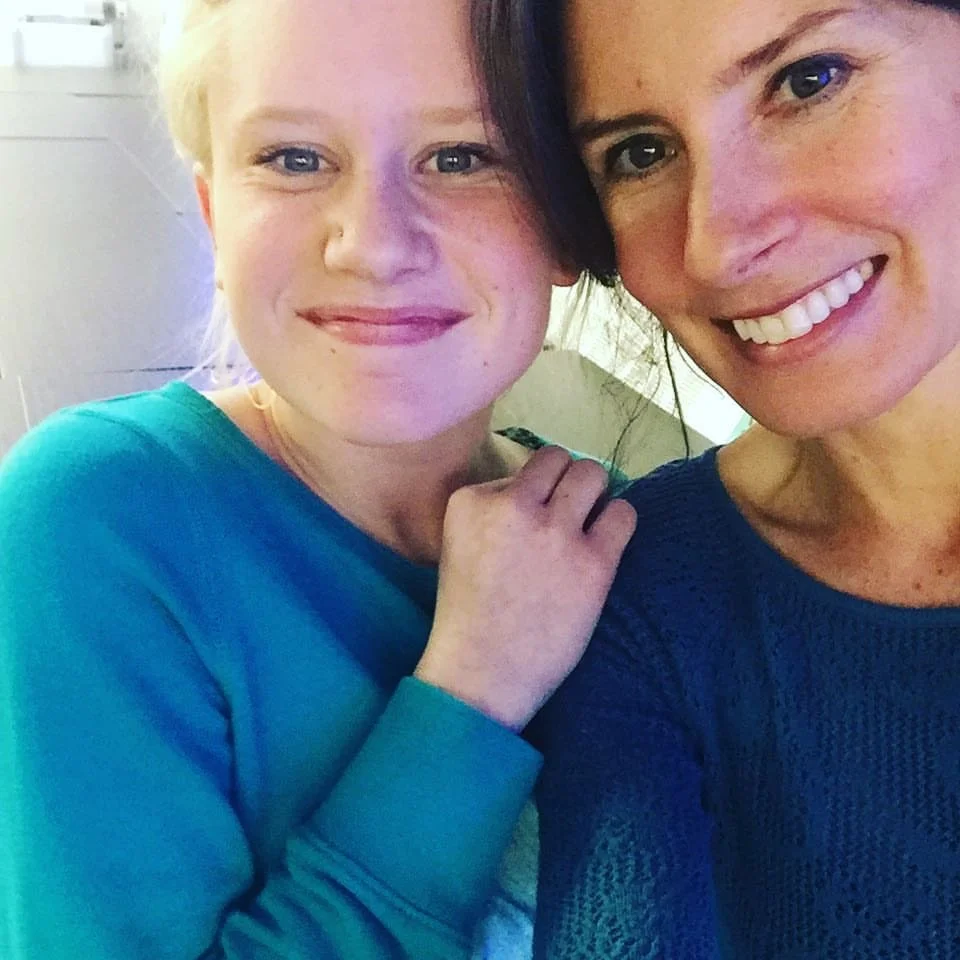
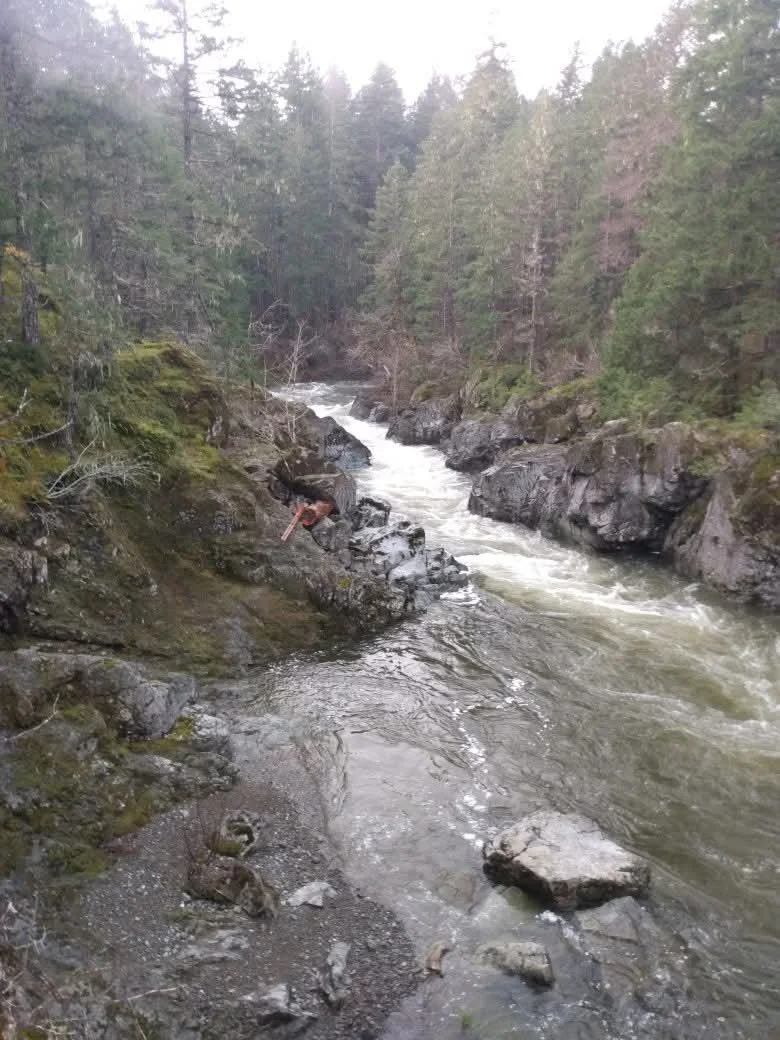
Our laughter spills like sunlight onto the pine needles quilting the autumn forest floor as I learn to pronounce her Ojibway name: Waabska Biizhiiki Kwe. It means White Buffalo Woman and is a gift from a medicine woman of her tribe. Today, like a woodland fairy, she seems not to be putting one foot before the other, but floating. I bask in the waves of her joy as we walk the forest path alongside a rushing Muskoka river.
Kwe first reached out to me after attending one of my early talks in 2010 at my alma mater, Bracebridge and Muskoka Lakes Secondary School. At the time, she was 15 and anorexic. I was 25. We spoke by phone and maintained a sisterhood that spanned two decades. Across the years spent poring over her poetry, hosting sleepover mindfulness meditation retreats, and forest bathing alongside her, there were even more hours passed in deep listening—often over the phone when her spirit unraveled as her body gave way beneath the weight of her world. For 10 years, Kwe weathered the long-term impacts of chronic anorexia which she ditched after a decade when her body began succumbing beneath her, resulting in repeated hospitalizations due to unnameable seasonal illnesses that weakened her kidneys and brought her to her emotional knees.
The story she reported to me over the years is horrific. She ran away from what she described as a chaotic home when she was 12. She bounced back and forth until 16, couch-hopping and making ends meet. She found her own place then, right by the water, but as time went by, Kwe continued to share experiences of drug addiction, trauma, and sexual violence.
Amid the near unabating strain of trauma and addiction, Kwe exhibited a resounding work ethic. She made ends meet, digging deep, listening to the medicine of her lineage’s wisdom, and self-administered to her trauma through reconnection with the land. At one point she reported to me from a hospital bed that she had been drugged with fentanyl and raped. To heal, she sojourned up Vancouver Island to soothe her soul through trees, prayer, and water—as well as her grandmother’s enduring wisdom.
“Two weeks after the incident happened,” she said, “I paid my rent, packed my bags, and I traveled for a month. Lisqueetee Island, Uqulet, Tofino, Port Alberny, then I ended my trip in Jordan River. I’d wait until the bylaw officer would leave after 7pm and I’d spark my fire and put up my tent. It was so easy. I had the most beautiful nights there…I had a front row, I had the best fire pit, I had these cabins around me that block the wind. Oceanview, with stars and a campfire. It was amazing. I could see the stars from my tent and the waves were so peaceful to listen to to help me sleep…I had everything I needed—my books, my journal, and my swimsuits, my sleeping bag. Simple stuff. That’s all I needed.”
Here on Mother Earth, there were gifts given to the Anishinaabeg to look after: fire, water, earth, and wind.

Emma
Trigger warning. the following story contains references to abuse and suicide.
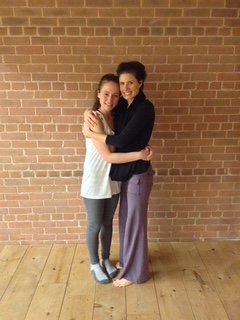
“Brie, this is Emma!” Linda Staheli from the Global Colab Network, who had a gifted way of knowing exactly which girls with whom to set up one-on-one walks whenever I came to town, had thought of inviting Emma to the event for which she had so fiercely advocated with Arlington Public Schools. The rest is herstory. Sharing Emma’s story here is a precious privilege; it will not be easy to read, but it is one that begs to be told; the sheer extent of adversity she has overcome in her young life make her one of resiliency’s brightest faces, and one of my deepest sources of strength, inspiration, and activist joy.
Emma came by her life’s purpose – to protect the poor, the vulnerable, and the oppressed – naturally. In her words, “My childhood was tumultuous, uncertain, unstable, and abusive.” She grew up in a world of hunger, physical and sexual abuse, homelessness, and poverty. Dreams of being strangled as a child dotted the skies of her early life as stars dot the sky. Before age twelve, her mother, afflicted with bipolar and borderline personality disorder, had married four times and moved her and her brothers many more times than that. Sometimes they lived in a car. Emma vividly remembers the mickey mouse waffle maker and the frozen instant muffins that sustained her and her brothers as their mother, “opted for dates in place of feeding her children.”
In 2015, Emma’s biological grandmother, who suffers from bipolar schizophrenia, gained custody of Emma’s mom during a bout of psychosis. After a year of “caring” for her, she stole her daughter’s money, applied for a restraining order, and left Emma’s mother in an apartment alone where she attempted to die by suicide. Thankfully she was found and taken to a facility. That year, Emma’s grandfather who had raised Emma from the age of twelve fell ill with cancer. He died two years later.
Given the whopping adversity of her early circumstances, that Emma claims only ADHD, PTSD, and body dysmorphia among her afflictions is a miracle. She fared much better than her little brother, Andrew, whose suffering from ADHD and PTSD was compounded by bipolar with psychotic features. To Emma’s agony, he died by suicide in 2017 while serving a prison sentence.
It was during this season of her life that Emma and I connected. A sovereign trust formed between us – one we carry with us and treasure to this day. At the time entangled with a guy who was struggling with a drug addiction that was pulling her on repeat into a trauma drama that was familiar to the dynamics in which she had been raised, I helped Emma move through her late adolescence and clarify her capacity for making conscious choices for herself about substances and relationships. We talked about what true self compassion called for: untethering herself from a relationship whose patterns were reinforcing her old neurologies rather than helping her to lay down detour pathways in her brain, ones in which she could live out her life with more emotional safety, stability, and joy. With different choices came new opportunities for healing including meeting a partner who could meet Emma in her rich complexity and profound compassion for human suffering.
Last year, Emma completed a PhD in Social Work at the University of Maryland. This girl has more than found her way. In the video below she shares the story with Arlington Public Schools of how our lives wound together, touching and changing us both.