Sisterhood : The Cultivation of Collective Resiliency
In a world that extolls the value of rugged individualism, independence, and personal expression, what too often gets lost is our greatest gifts of resiliency: collectivism, shared experience, communion with our true nature, and one another.
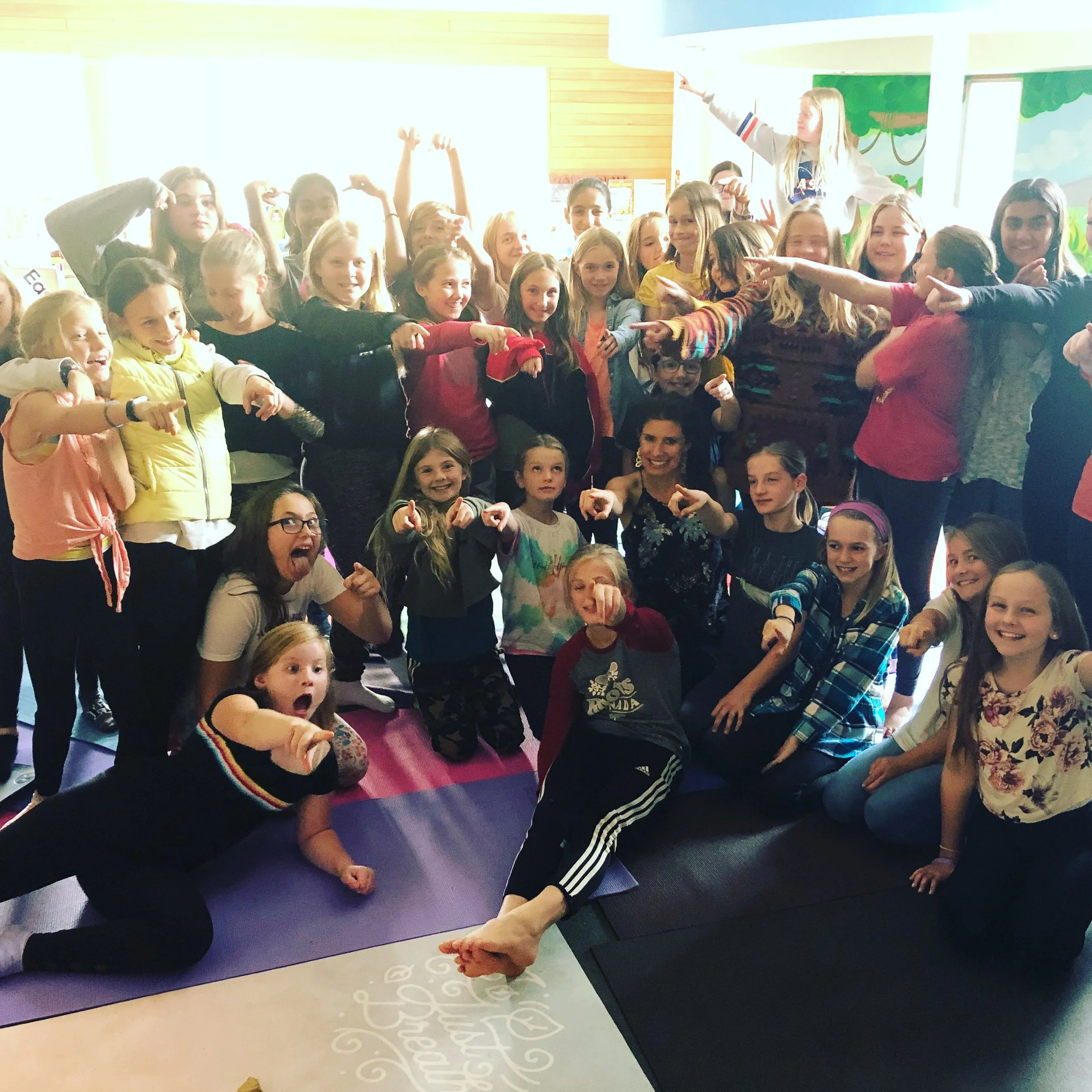
From California to Auckland, from Ontario to Vancouver, from Florida to North Virginia, in school gyms, Yoga studios, and living rooms, I gather young women together in small groups to share the gifts of mindfulness practice and yoga and to teach them to resource themselves from the wellspring of wisdom offered by their bodies.
Against the backdrop of a world that constantly demands their projection as effortlessly perfected consumable objects, these retreats bring young women together inside the universality of their experience, home to the birthright of love offered by their bodies. We together turn inward to the true and eternal source of refuge and we turn towards eachother. In this great turning towards one another we find the treasures that fill us up: our immense human capacities for empathy, vulnerability, and courage. Part of the journey to interrupting inherited patterns of not-enoughness lies in naming the lies we have been told about our bodies and our worth. We unplug from the addictive whrr of social media and plug into meaningful dialogue, emotional processing, somatic experiencing, and laughing our heads off. In the light of one another, we untether our bandwidth and heart space from harmful cultural narratives and plant new seeds that ground us in all that we are and all that we have.
Santa Catalina School, Monterey, California
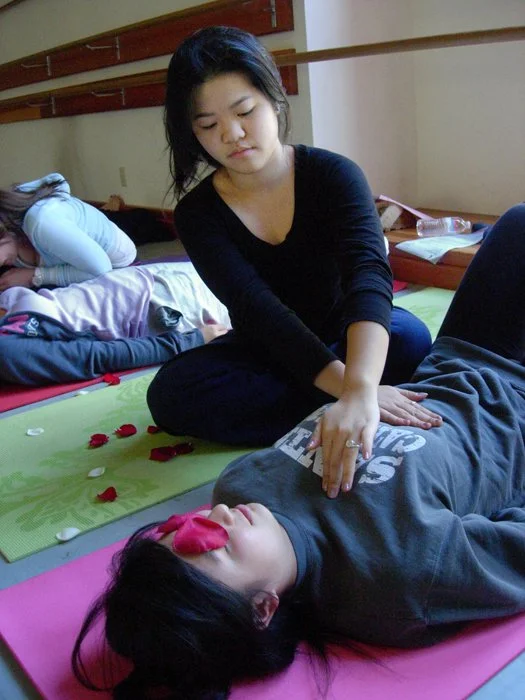
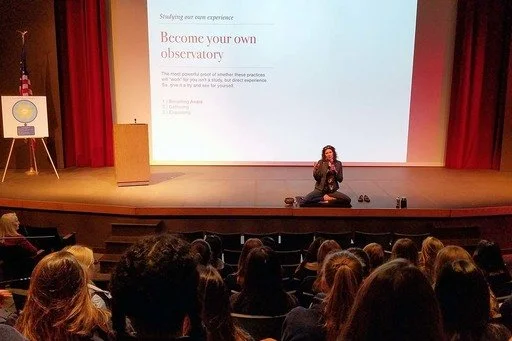
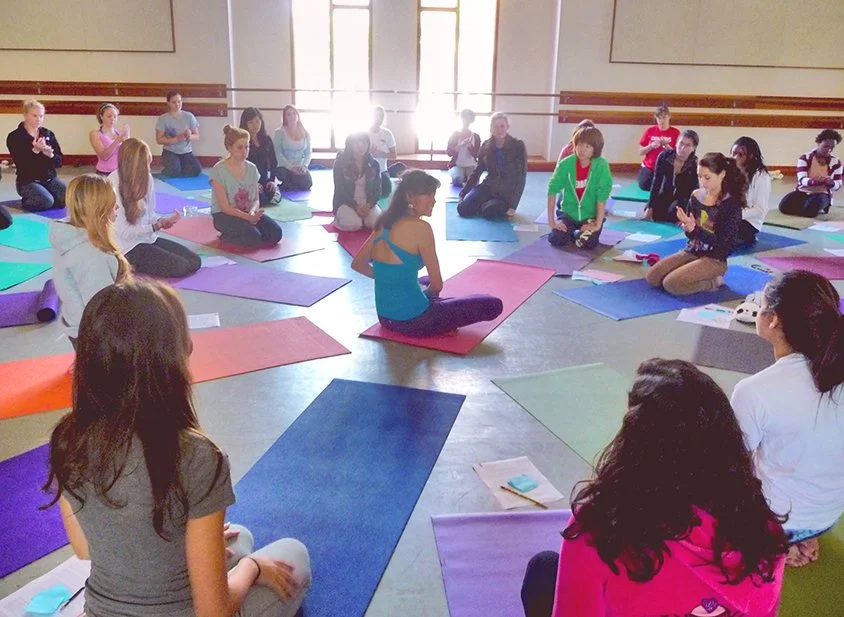
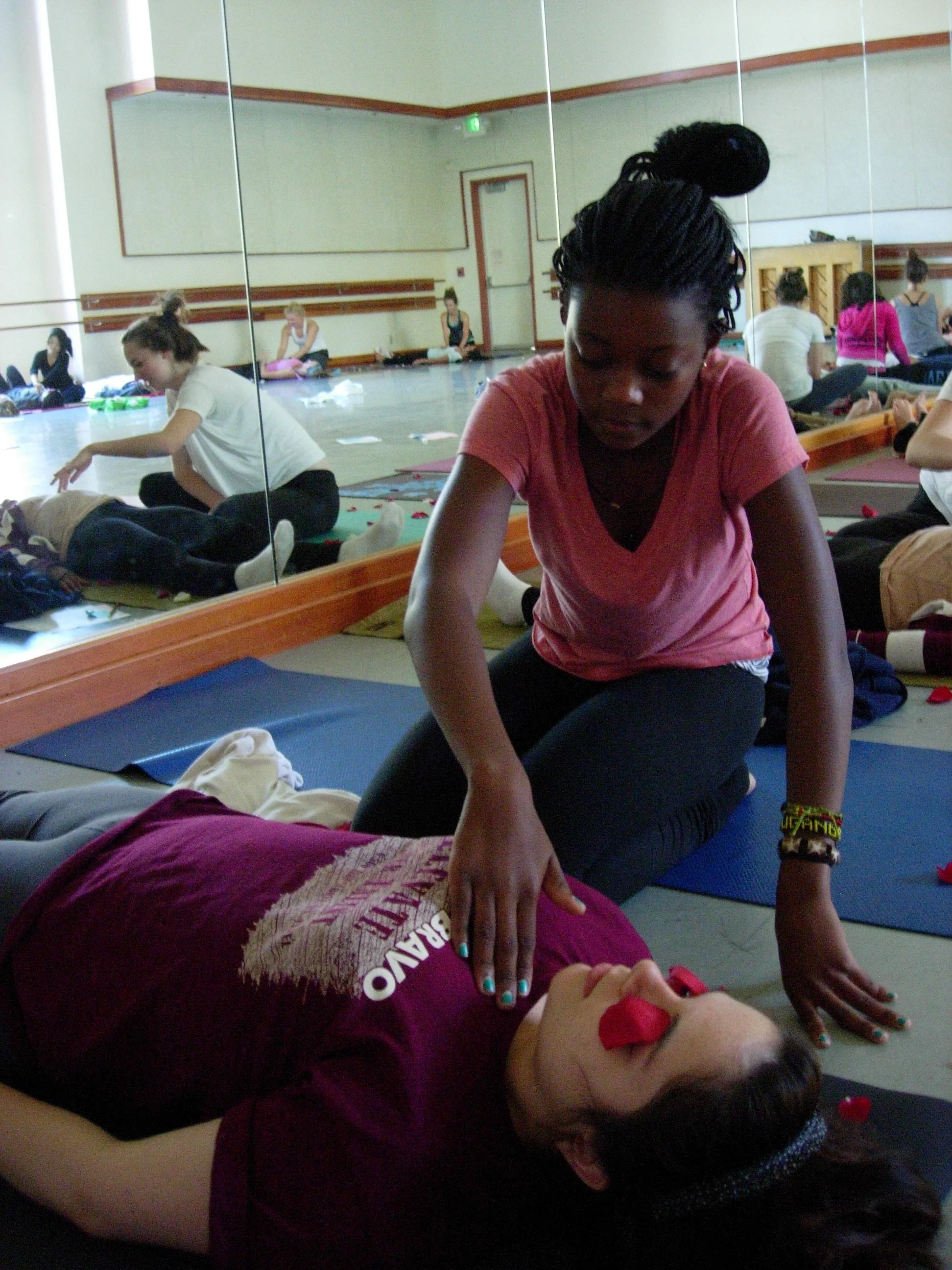
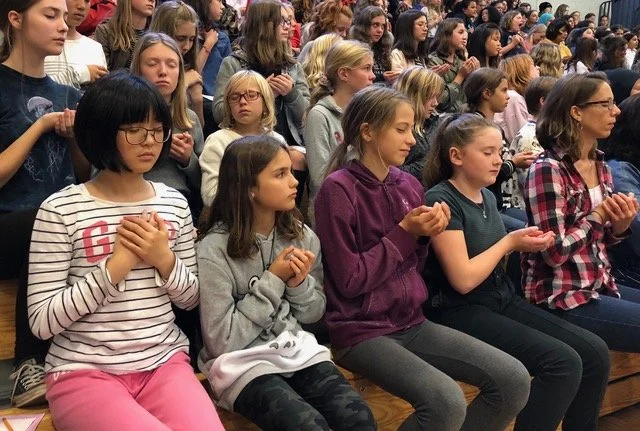
There’s nothing quite like being asked to come back for more after a Love the Skin You’re In Assembly. I was honored to join Santa Catalina School in their Performing Arts Center to offer a new talk called “A Mindful Girl’s Guide to Mindful Living.” I detailed the amazing power of mindfulness and its impact on our neuroplasticity then invited audience members to try it for themselves. An exploratory Journey Day followed during which young women could drink from the well of their body’s innate intelligence through somatic experiencing.
Girls Weekend at Sun and Moon Yoga, Arlington, North Virginia
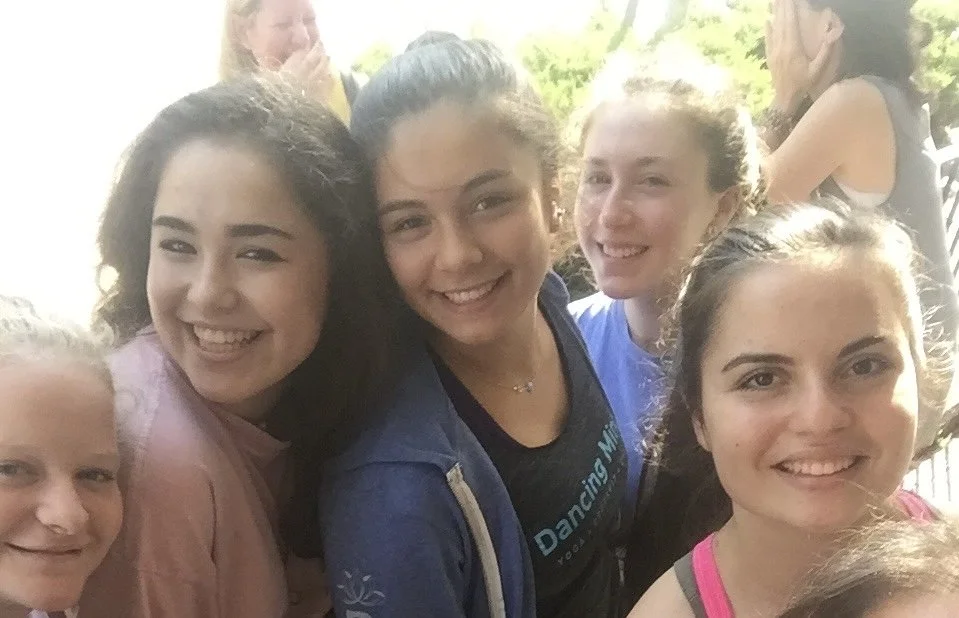
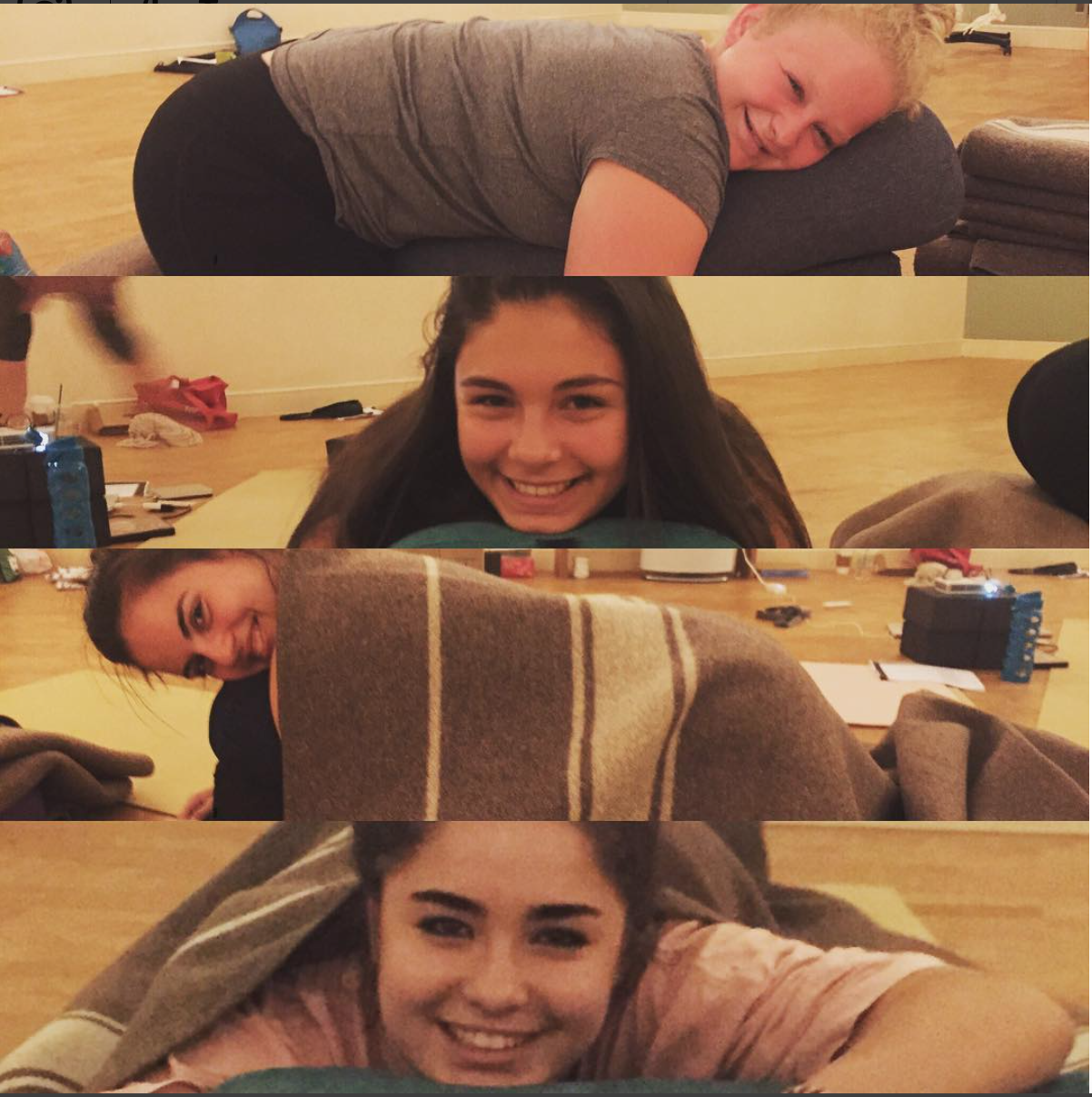
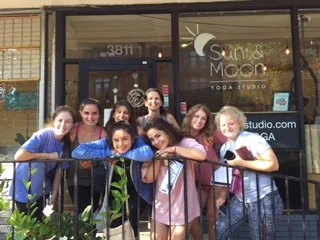
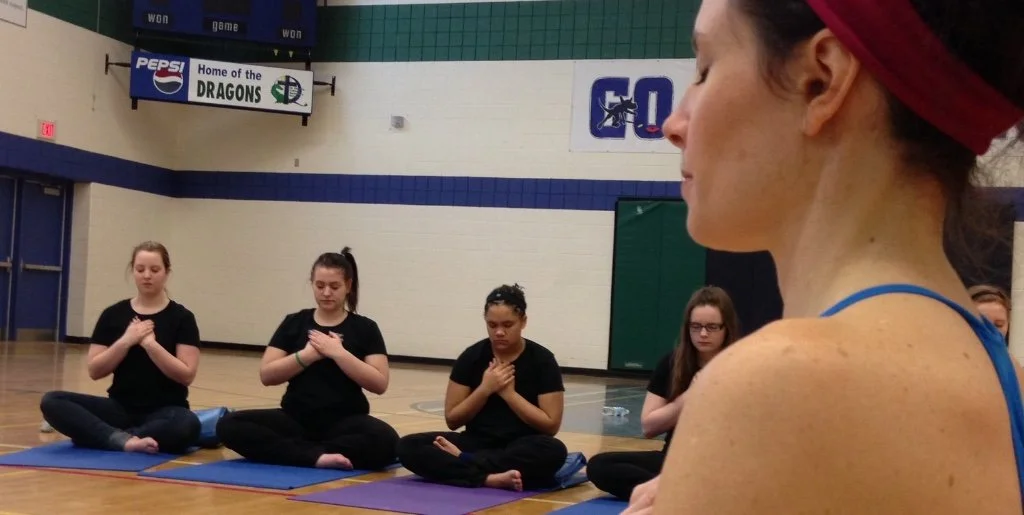
Our weekend retreat for teen girls at Sun and Moon Yoga Studio in Arlington, Virginia focused on the themes of empathy, body positivity, sisterhood, and unity. We trained up compassionate communication, moved from the concept of body image to embodiment, recognized the community and connectedness among us, and practiced techniques that bring that unity to life through yoga, mindfulness, breath, and visualization. I designed our curriculum and Annie, whose basement apartment has lovingly held me on three different trips to speak at area high schools and middle schools, lovingly promoted it through her studio, provided her space, and offered the Yoga segments. We had girls signed up from Fairfax and Arlington counties and we issued a call for young women of color to attend on full scholarships.
By the end of the weekend, their organs warmed and their bodies pliable from all the gentle Yoga and Shakti-filled laughter and emptying-our-emotional- basket connection, our subjects were ready for the most challenging part of our retreat: facing themselves not by looking into the mirror, but by looking into their own experiencing. There’s nothing like a blank wall to get a girl to look within. No futzing. No phones. No hair to flick or mascara to unblot. Just the blank slate that represents the universe staring back at you, beckoning, “come inside.” The self-monitoring that is a cornerstone of self-objectification, one that elicits constant self-surveillance for a perpetually self-improving broadcast of self takes a constructive back seat as awareness slides into the driver’s seat and slams the vehicle into reverse, driving these girls away from the precipice of their demise.
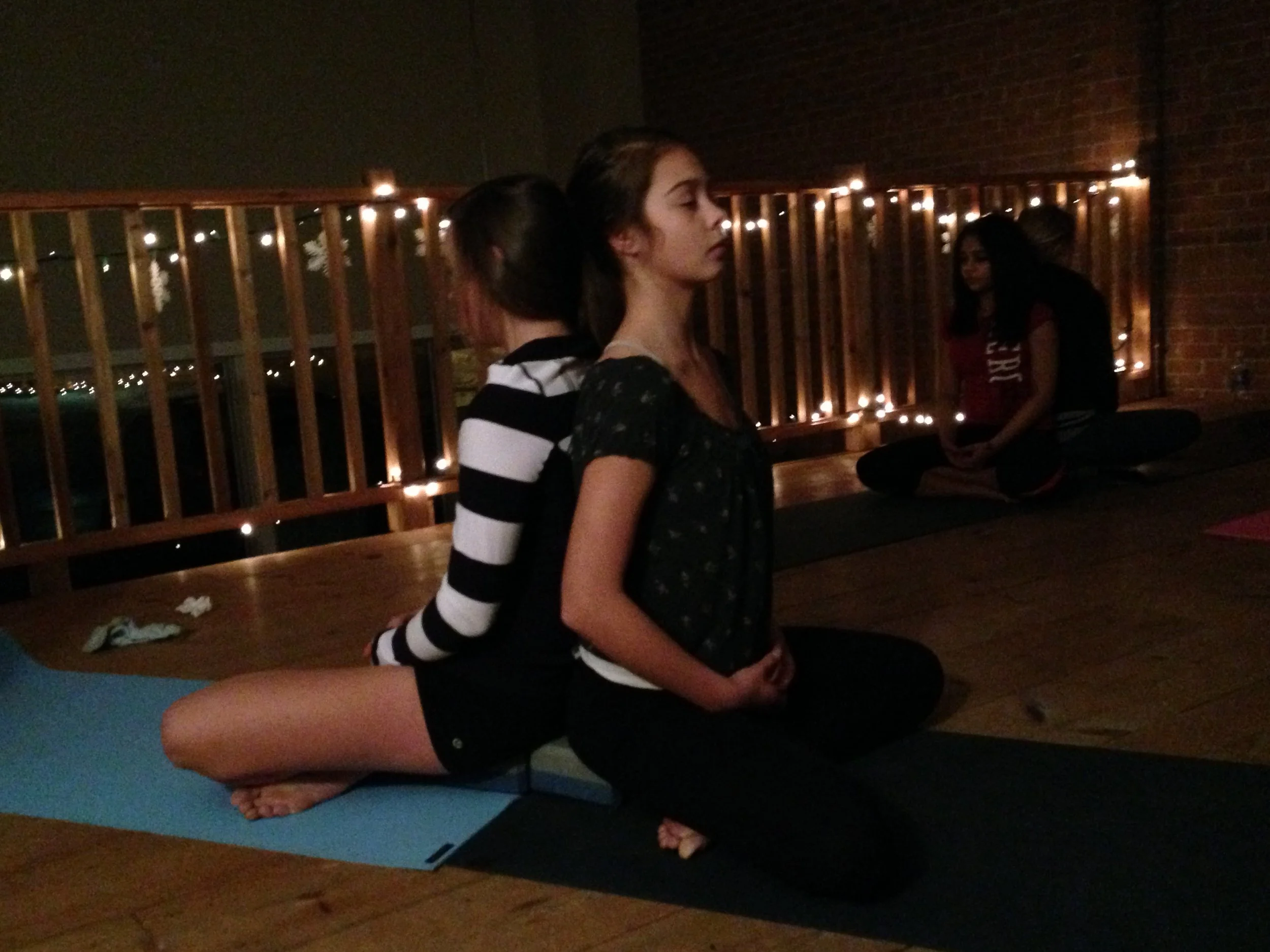
Placing a blanket and bolster beneath them, girls lined up along the wall in preparation for our final practice together. Their legs crossed before them, some with an extra blanket tucked under their buttocks for height so they could find the most balanced tripod possible between their sit bones and their knees for what I call Wonder Woman practice – a wildly sexy title for the practice they engaged over the next terribly boring but radically transformative twenty minutes of their lives. Working directly with our own suffering, we opened to the thought patterns we propagate, patterns that become wired into our neural firing and calcify into the states we label as depression and anxiety. Learning to face the activity within our own brains prepares us to meet the hard moments of life with less reactivity and more responsive presence, by opening rather than clamping shut, by feeling rather than pushing away the pain. Our training ground is perfect stillness. What goes unseen from the outside is the inner wilds of our minds that like snow globes slowly settle when we sit down, settle in, and stop actively shaking them up.
The first twenty minutes of our lives we devote to simply noticing are often the most arduous. They can feel interminably long, especially when you’re 17 and in the habit of reaching for your phone to check your notifications every few minutes. But if we stay with the body breath after breath, feel the expansion of our diaphragms, and the melting of our shoulders, we can see how states feel, how we promulgate them to our detriment, how we can free ourselves into openness when we let go of our stories. This is how breathing in and out while wall gazing in a line-up of teen sisters becomes a revolutionary act: we together wake up our intelligence, reclaim the resource of our attention, and fortify our personal – and collective – resiliency. Our walls come down as our practice radiates out into the world, nourishing the field in which all beings arise, the compassionate sisterhood to which we all belong.
YWCA Power of Being a Girl Day, Muskoka, Ontario
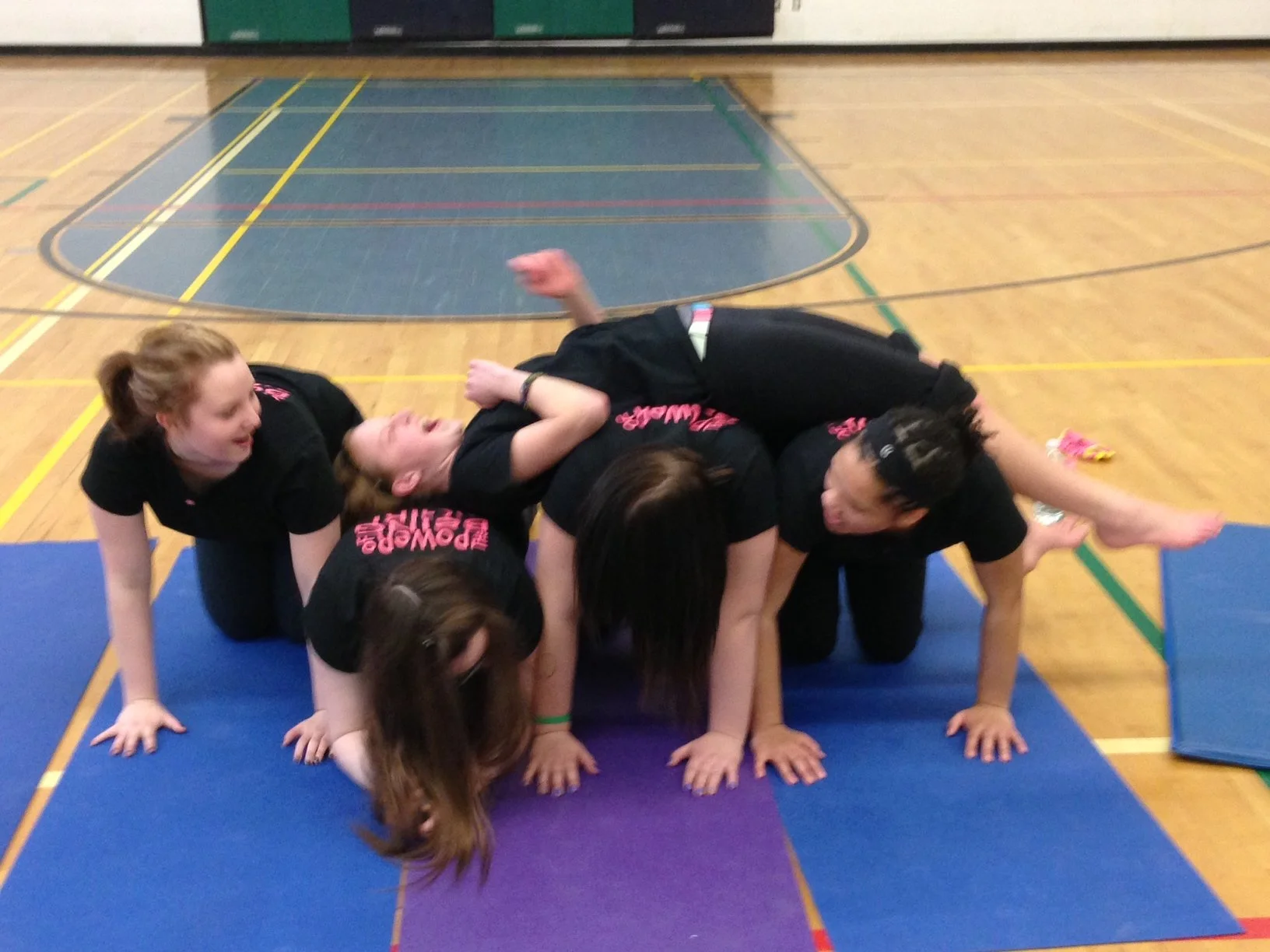
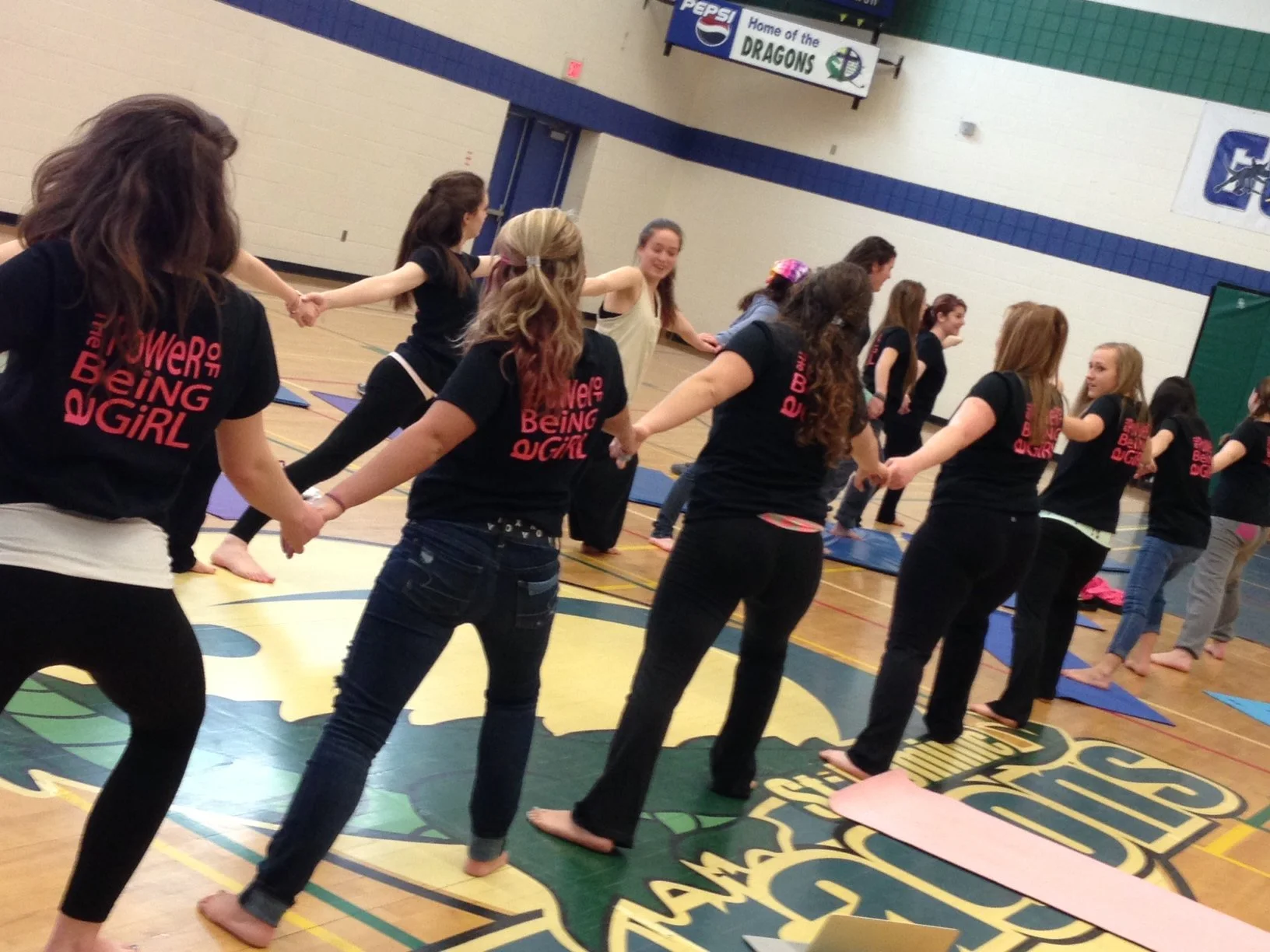
Grade Six Girls Afternoon Retreat, Vancouver, British Columbia
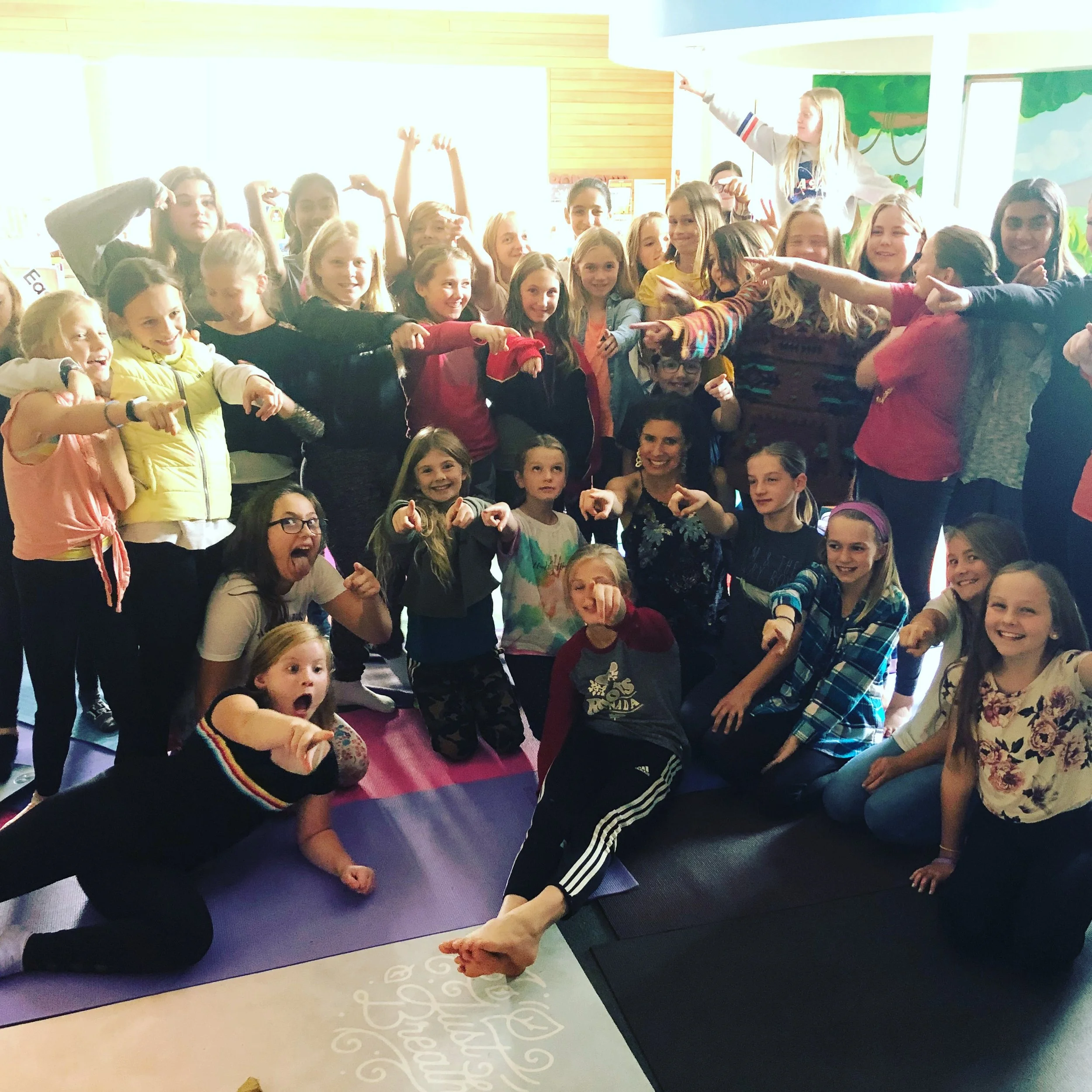
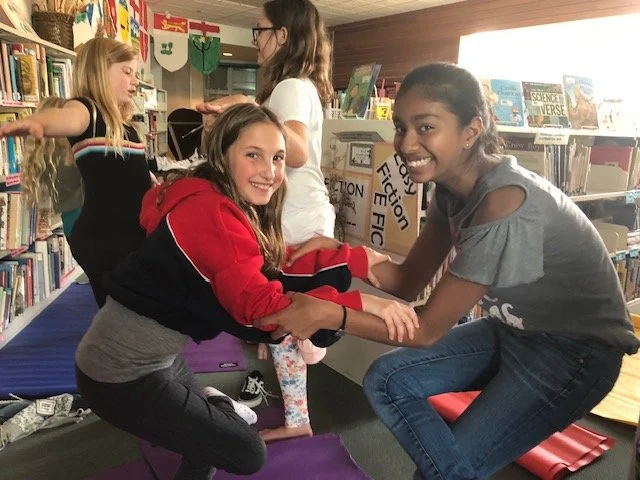
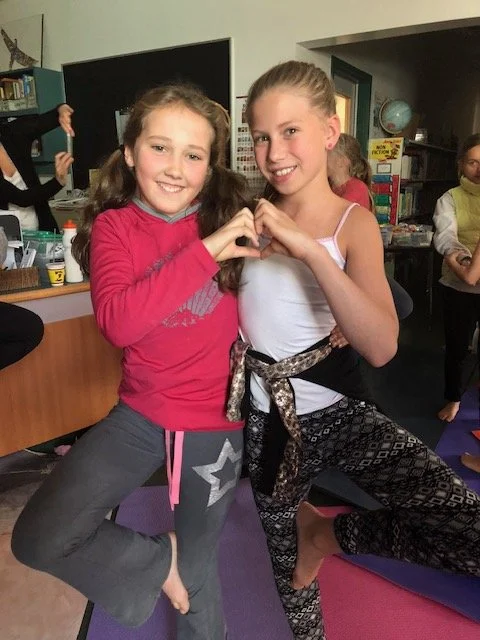
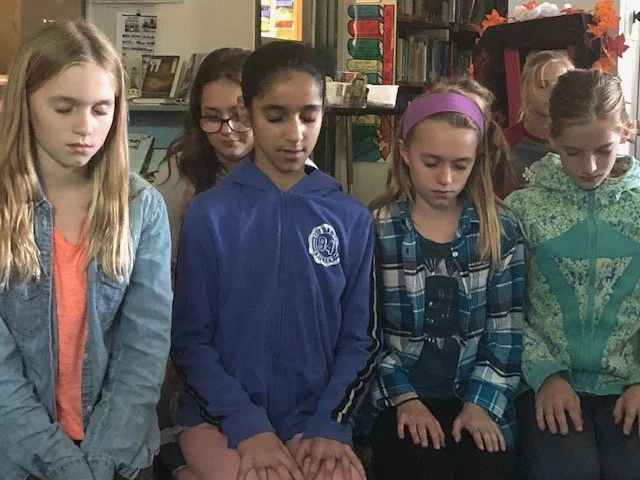
I was excited to be invited back to the Vancouver area just before the pandemic. The principal, Erin Malone, was a VP when she organized my all genders talk at Whistler High the previous year. She said her grade six girls were struggling. “Let’s make it a retreat day,” I suggested, embracing the opportunity to spend an afternoon giving the girls who represent my youngest audience all I’ve got.
Their jaws dropped when I told them the story of a five-year-old girl in a bookstore who was holding her mother’s hand in front of a kiosk that featured 25 versions of swimsuit model Hannah Davis who looks like she’s taking off her bikini bottoms on a Sports Illustrated Swimsuit Edition cover. That’s 25 Hannah Davises gazing flirtatiously at the camera while she teases with disrobing and one little girl taking it all in. In a bookstore.
“Mommy, what’s she doing?” the little girl asked, turning to her mother.
In a stroke of parenting genius, her mom responded, “I think maybe she has to pee.” The girls erupted with laughter. But what do you say to your five-year-old daughter who is watching the impact of soft pornography unveil its public face?
“What troubles me even more is that we lose the model. Gone is the fact that Hannah Davis was Valedictorian of her graduating class in high school. Gone is the fact that Hannah Davis was captain of her championship tennis team in the Virgin Islands. Instead, Hannah is reduced to the sum of her parts.”
The slide that followed opened in large capitalized font. It read, “THERE’S MORE TO BE THAN EYE CANDY.”
The girls cusping on women were blown away that a living, breathing woman would be featured that way and I reflected that age eleven is the sweet spot. If we can get to our girls by age eleven, we can ready them for the onslaught and lie down belief systems that fortify them. After lunch, we enterred Part Two of our retreat day and dropped into Yoga, Mindfulness Practice, and Compassionate Communication. The goal was to reach girls before they arrive at the age when they exhile themselves from their true selves and adopt mean girl social strategies en masse in an attempt to secure their place within dominator culture, which demands they exchange their delicate individuality for a dehumanizing and competition-fraught objectification.
One eleven-year-old girl at a time.
Stay Strong and Sparkle On Love the Skin You’re In After Party
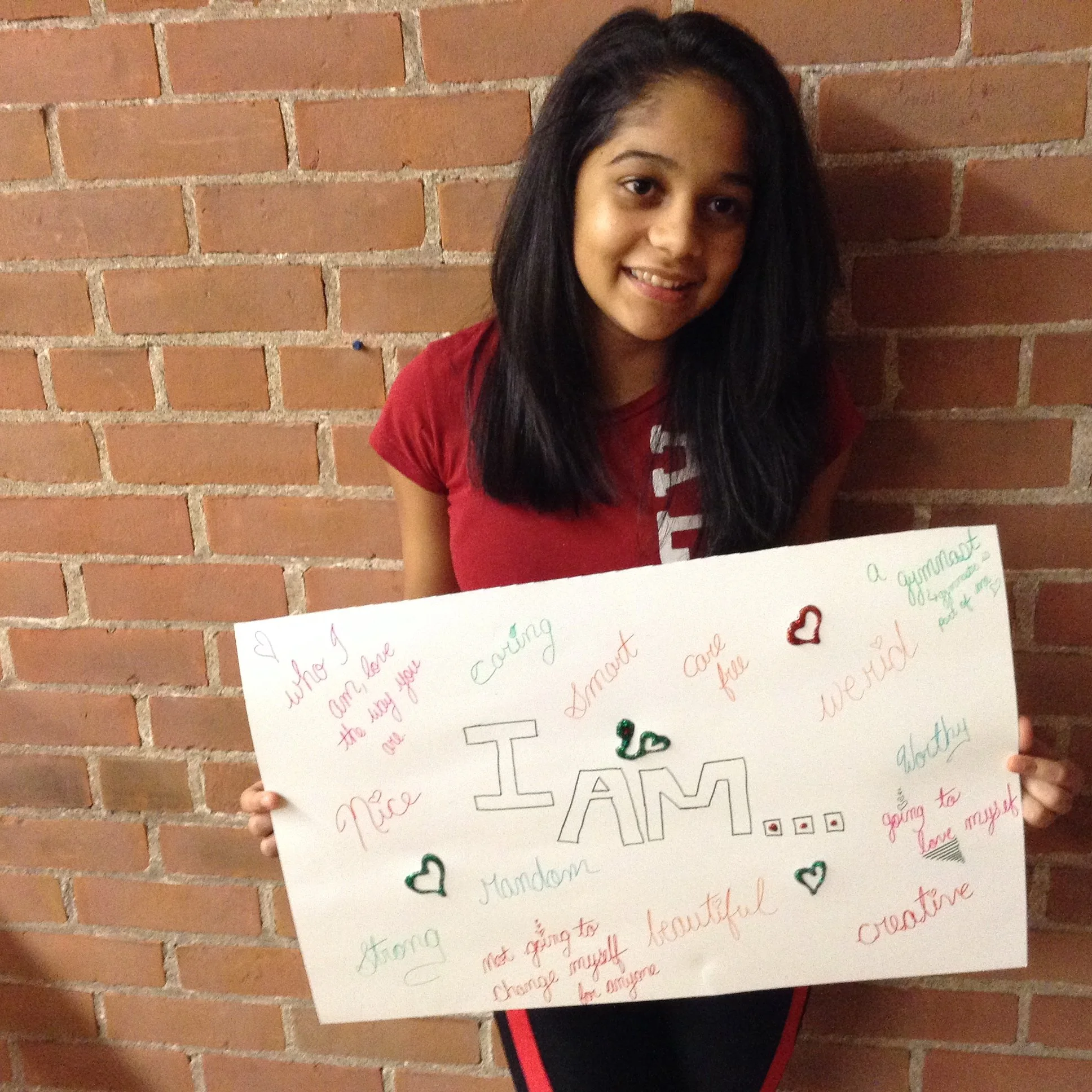
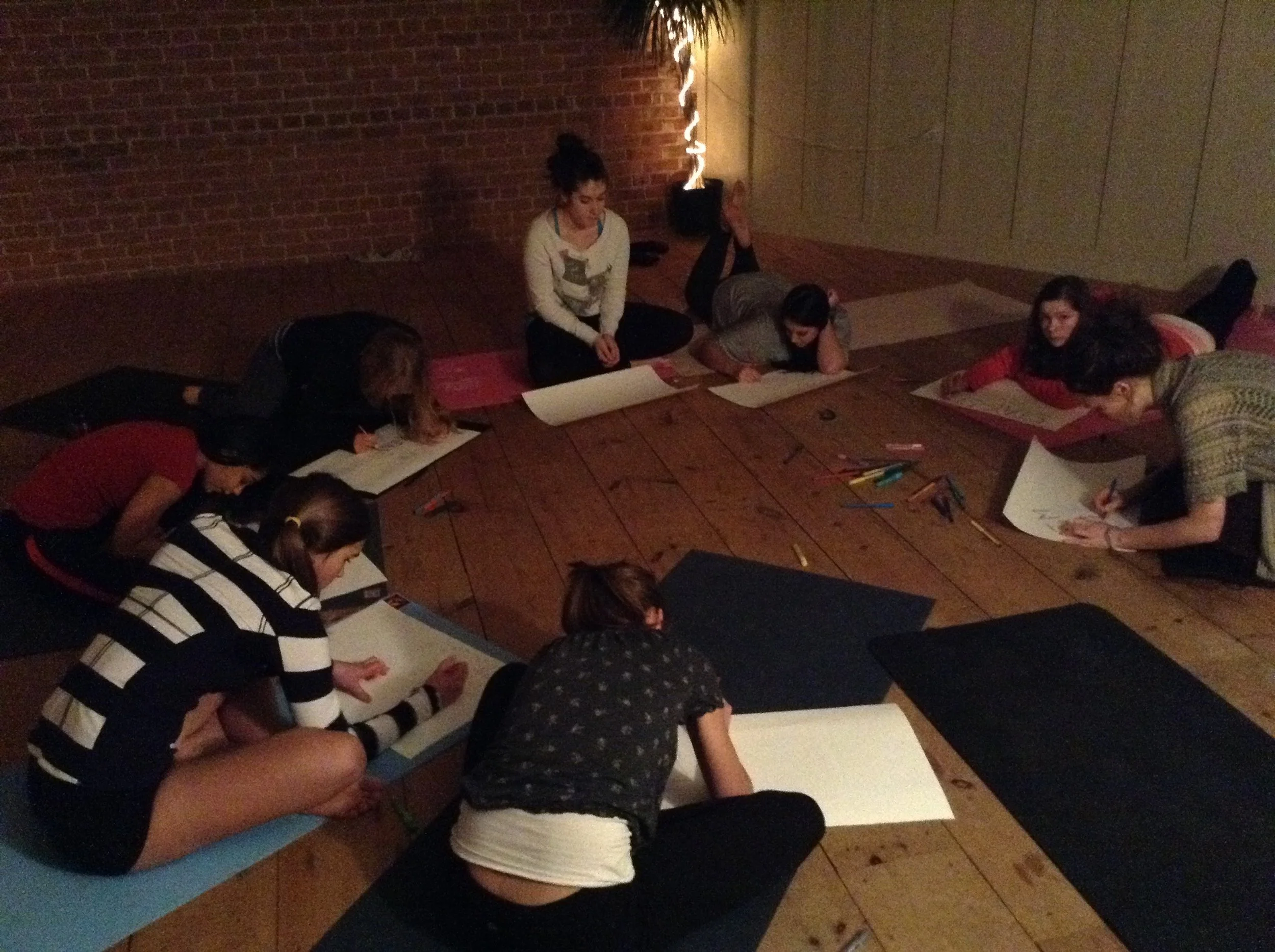
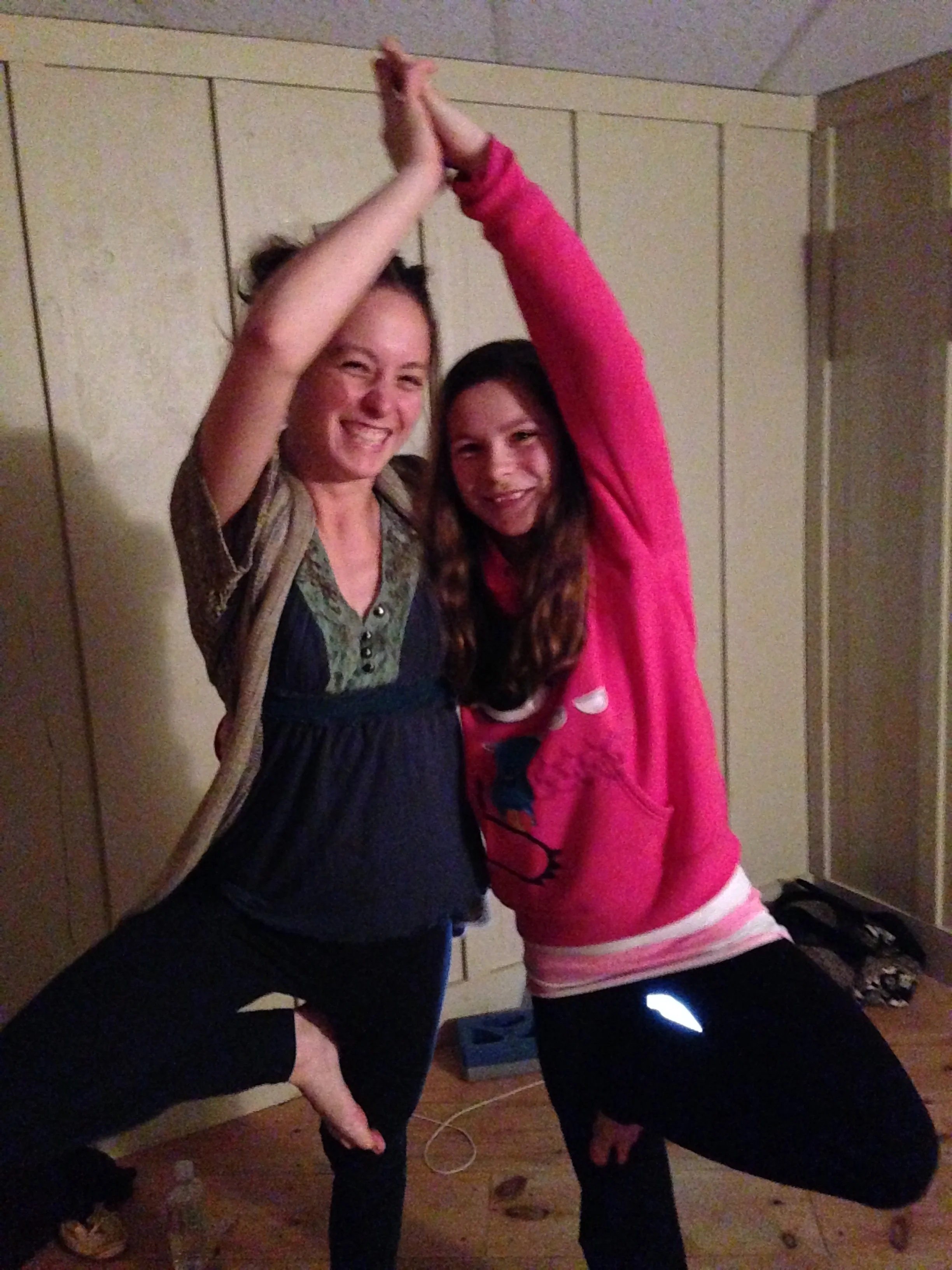
Source It From Within Follow Up Workshop, Huntsville, Ontario
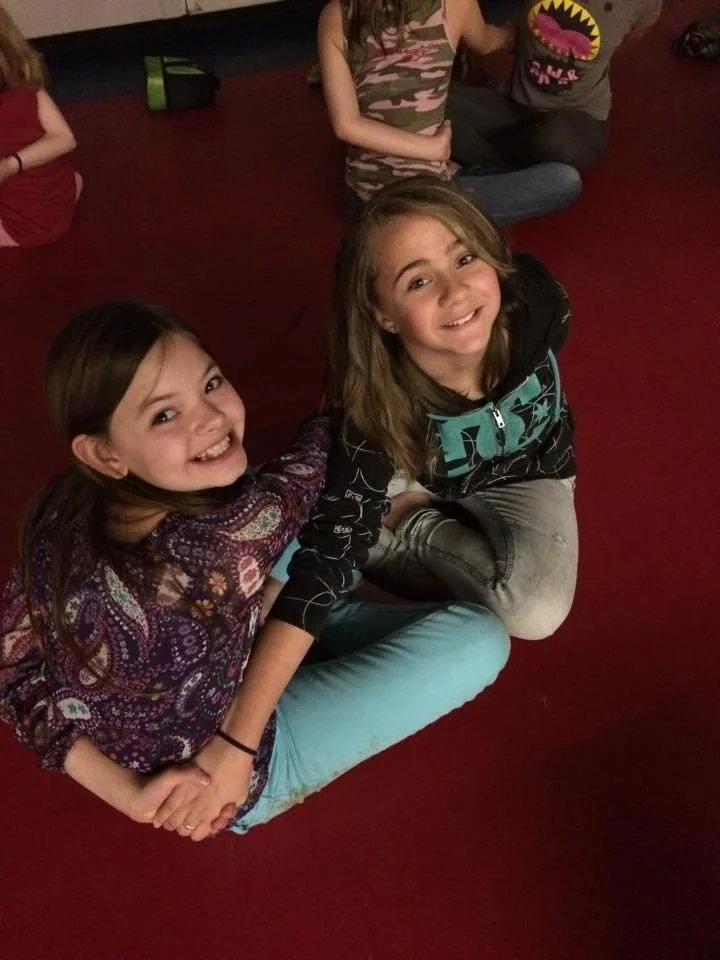
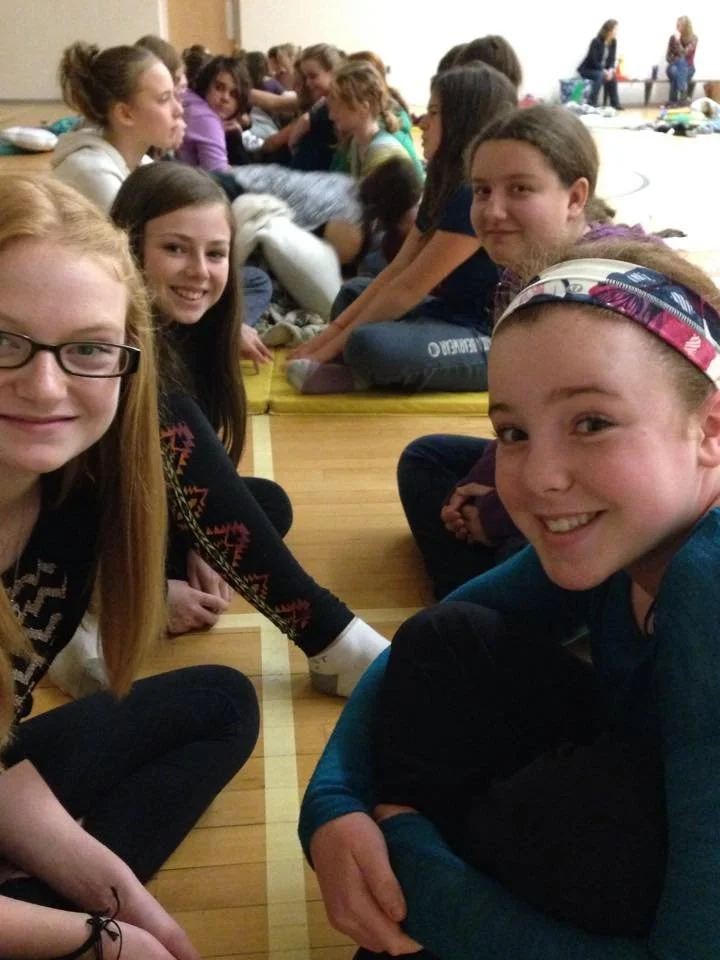
Fifty 12 and 13-year-old girls, each of them with a blanket and pillow, sit around the circumference of a circle and take their turns passing around a talking stick, naming one thing they love about themselves and one thing they admire about the girl sitting next to them. We set our guidelines for creating safety in Love the Skin You’re In’s first socio-emotional learning workshop at Huntsville Public School, two and a half hours north of Toronto: What gets said in our circle stays within our circle; using “I” statements if we want to express something; practising deep listening; retaining the option to pass if you don’t feel like sharing.
Then we enkindle a symbolic fire. I have brought with me two small bundles of sticks from the forest outside my childhood home just outside Port Carling, Ontario. I invite a volunteer to come up to the front and break the sticks in the first bundle. Bending them one at a time across her knees, she does so with ease. Then I hand her the second stack. “Now I want you to break them all together.” Her face scrunches up with exertion as she tries with all her mojo, but she can’t.“ Like an alliance of sticks in a bundle, we’re stronger together.
As Stanford psychologist Kelly McGonigal says, “Whether you are overwhelmed by your own stress or the suffering of others, the way to find hope is to connect, not to escape.” Today is not just about cultivating our personal resiliency, it’s about something called collective resiliency, or what we might call sisterhood. “When we’re united, it’s a lot harder to break us. But we live within a larger culture that teaches us to compare and compete with one another, and that can leave us feeling fearful and alone,” I say, before busting out a few lines from my hip hop song:
Their secret is out: there can only be one
America’s Top Model – yo it ain’t no fun
Canadian Idol and the Bachelor’s Babes
Girl you better make the cut if you wanna get laid
Yo girlfriend, I don’t wanna compete
I won’t say who struts a better cut of meat
My life has no price, this body’s not up for sale
I refuse to make my temple into profit jail
The girls whisper giggle at my reference to “getting laid,” their laughter breaking the ice and melting their protective walls. The air feels electric with the warmth of adolescence as we place all the sticks in the centre of our circle where they simulate a small blaze before beginning our fireside activities. Collective resilience is the term referring to how social bonds in groups allow us to leverage this group identity and reinforce our ability to cope with change. When we bring young women together in conscious circle activities, we nurture pro-social behaviour and give them an opportunity to draw on their strengths, doing what girls do best: nurture their own well-being through connection with one another.
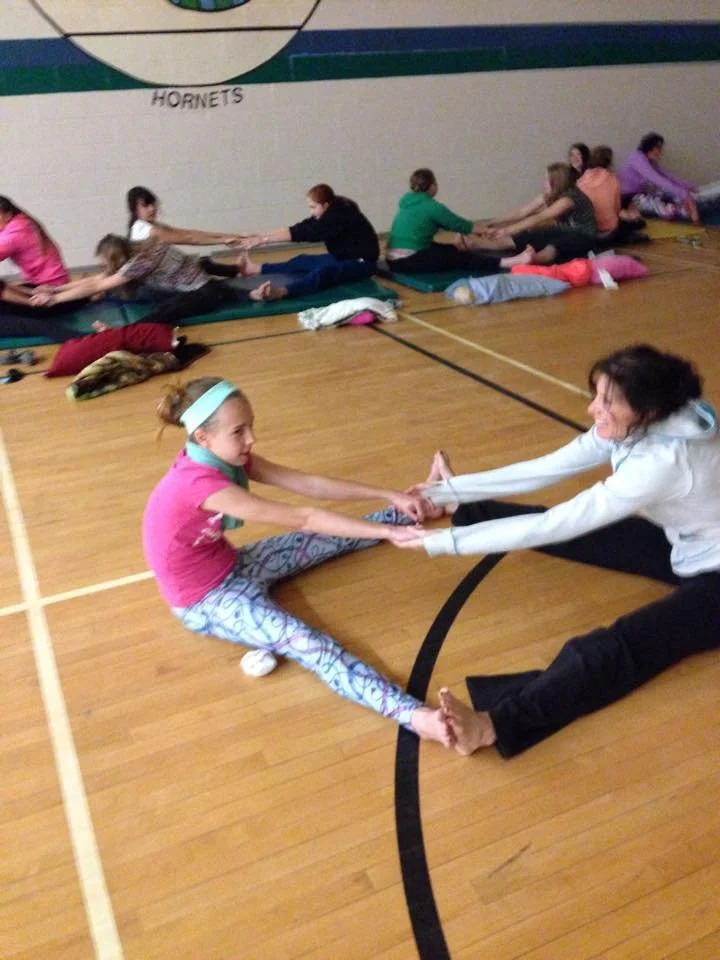
The afternoon billows up with joy as partner yoga flows into back-to-back mindfulness meditation for our small love pack. Then we do the deeper work. Lining the girls up in two parallel lines, each is invited to try on Marshall B. Rosenberg’s Compassionate Communication. In a creative variation designed for tween and teen girls, I name one line-up the “Stars” and the other one the “Lights.” Every young woman in the room closes her eyes to conjure a moment that has been stressful to navigate. Then, one by one, we share our vulnerable moments. We begin by naming what we observed that we found difficult, then reclaim our emotional ground by acknowledging the emotions that arose for us in response, followed by accessing and naming the need that was not met and a request for how that need could have been met or could be met moving forward. All the stars are sharing and all the lights are listening. Then the lights reflect back to the stars what they have heard them say beginning with, “I’m hearing you say that…” One self-reflective sentence at a time, we learn assertive self-advocacy, one moment of open, non-judgmental listening at a time, we open our empathic imaginations and connect to our humanity.
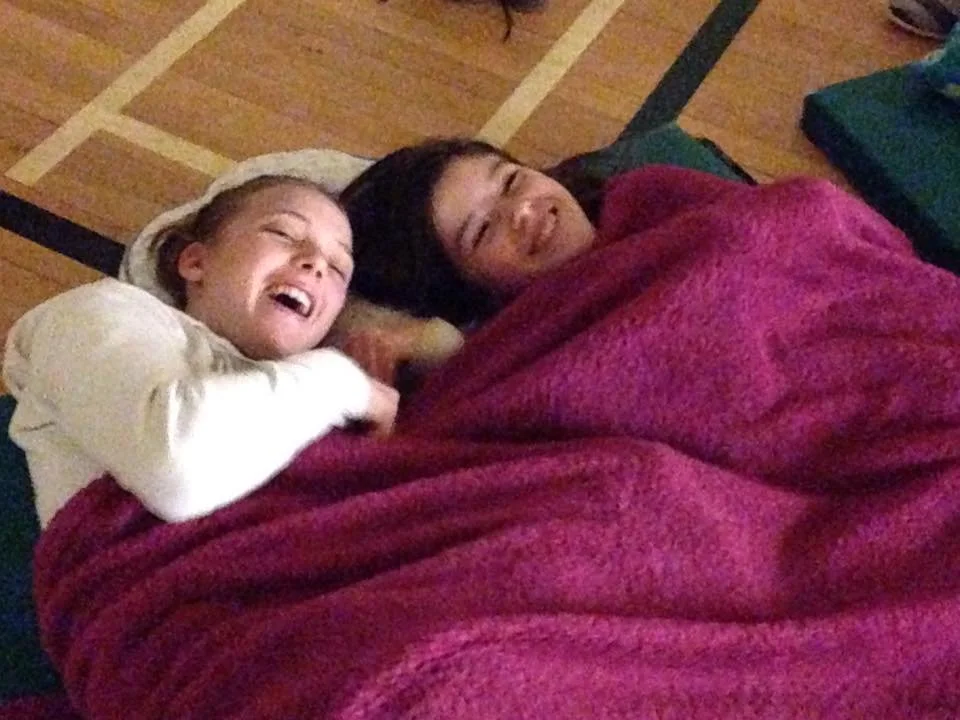
In our final activity, I ask them to take out their journals, lie on their tummies on their blankets, sleepover style, and write down five things they love about themselves and five things they love about a close friend. Consistently, young women rise to this challenge by choosing personally-identifying physical traits that they love about themselves, but unique and complex human characteristics and attributes that they love about their friends. We talk about why that might be – the social media-saturated cultural milieu in which they’re becoming, its subtle and not-so-subtle messaging. Viewing in writing what they love about their friends offers a mirror of their own worth, reminding them that they are valuable beyond measure and lovable just for waking up in the morning and breathing, that their substance, ideas, and humanity is what makes them special. By the end of an afternoon awash in interpersonal and intra-personal connection, their eyes look like fireflies, blinking their indefatigable light.
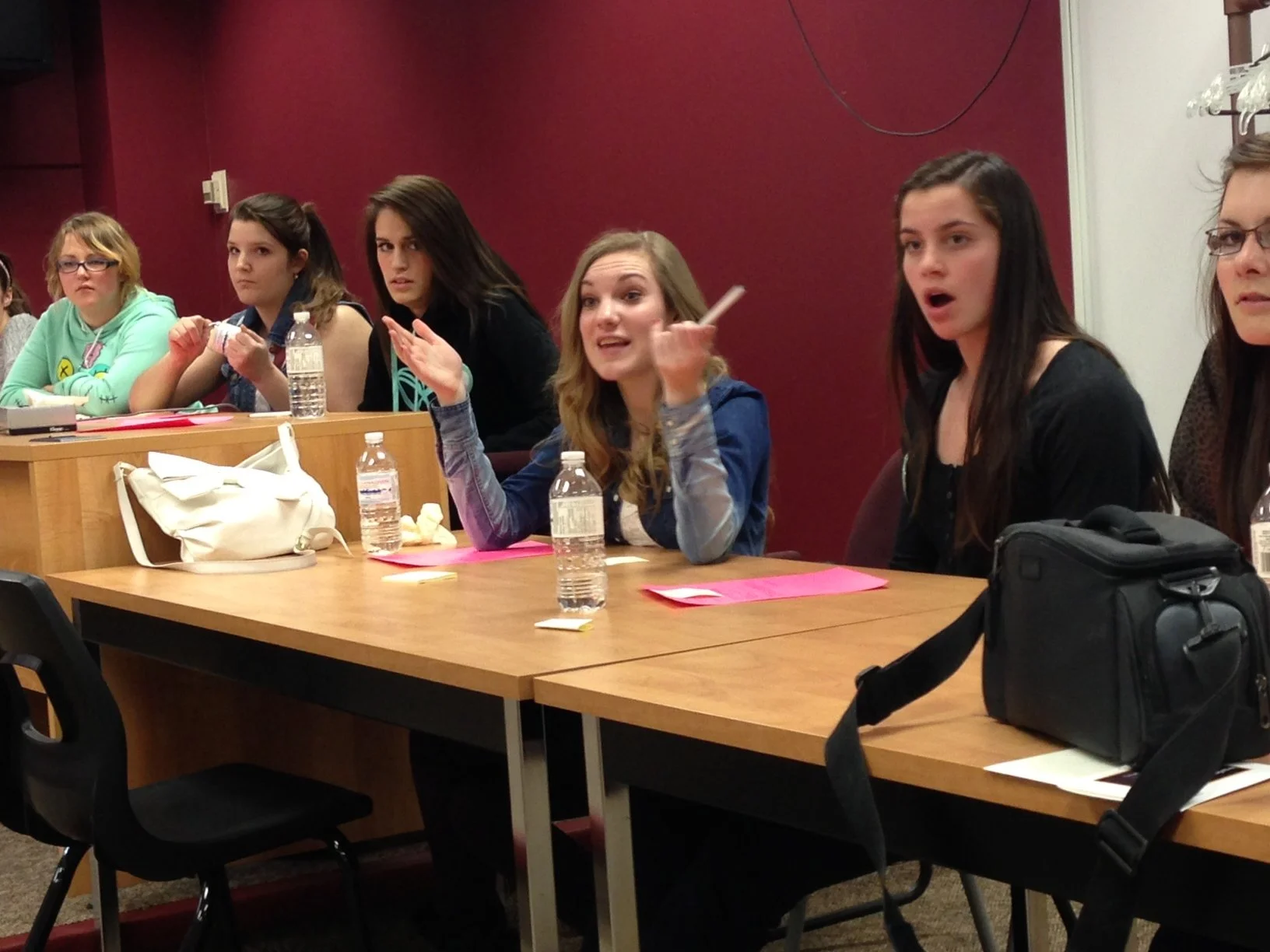
Young Women’s Empowerment Conference, Parry Sound, Ontario
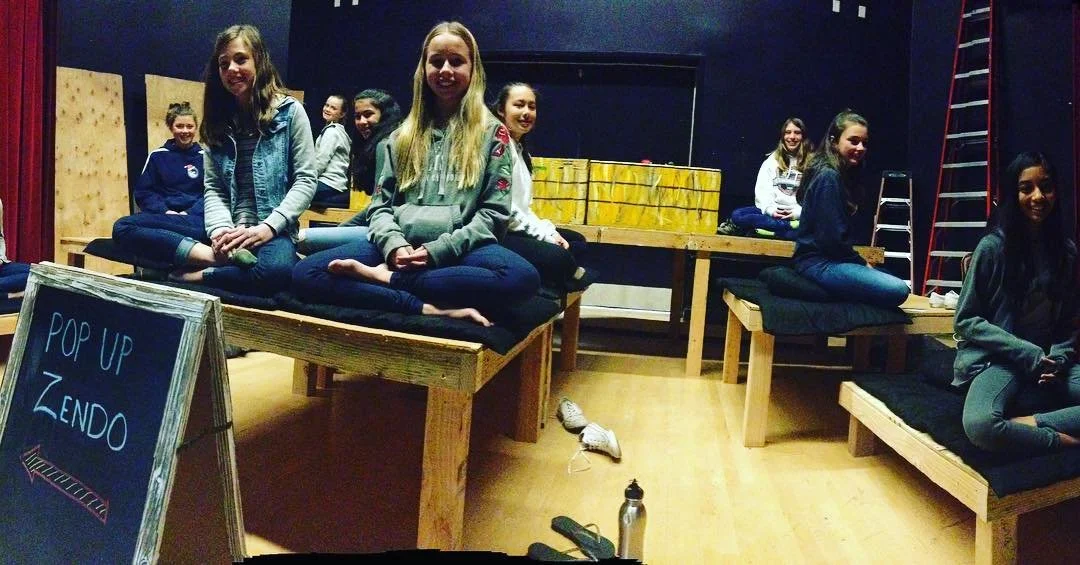
National Charity League Pop Up Zendo, Los Gatos, California